Detecting and identifying dumped munitions at 95 m in the Baltic Sea
At 95 m in the Baltic Sea, Cosma combined photogrammetry, magnetometry and side-scan sonar to detect, locate and identify dumped munitions in one AUV survey.

As part of the European Interreg MUNIMAP project, Cosma sailed from Gdańsk aboard RV Oceania with the Institute of Oceanology of the Polish Academy of Sciences (IOPAN) and the Military University of Technology to survey a munitions dumpsite in the Bornholm Basin, one of the densest underwater munitions dumpsites in the Baltic Sea. Operating at around 95 m depth, Cosma’s man-portable AUVs combined cameras, magnetometers and side-scan-sonars on every pass to detect, locate and visually identify dumped munitions, including chemical weapons, in a single operation.
Decades after the Second World War, the Baltic Sea still holds large quantities of dumped conventional and chemical munitions, a lasting risk for the marine environment and for offshore projects.
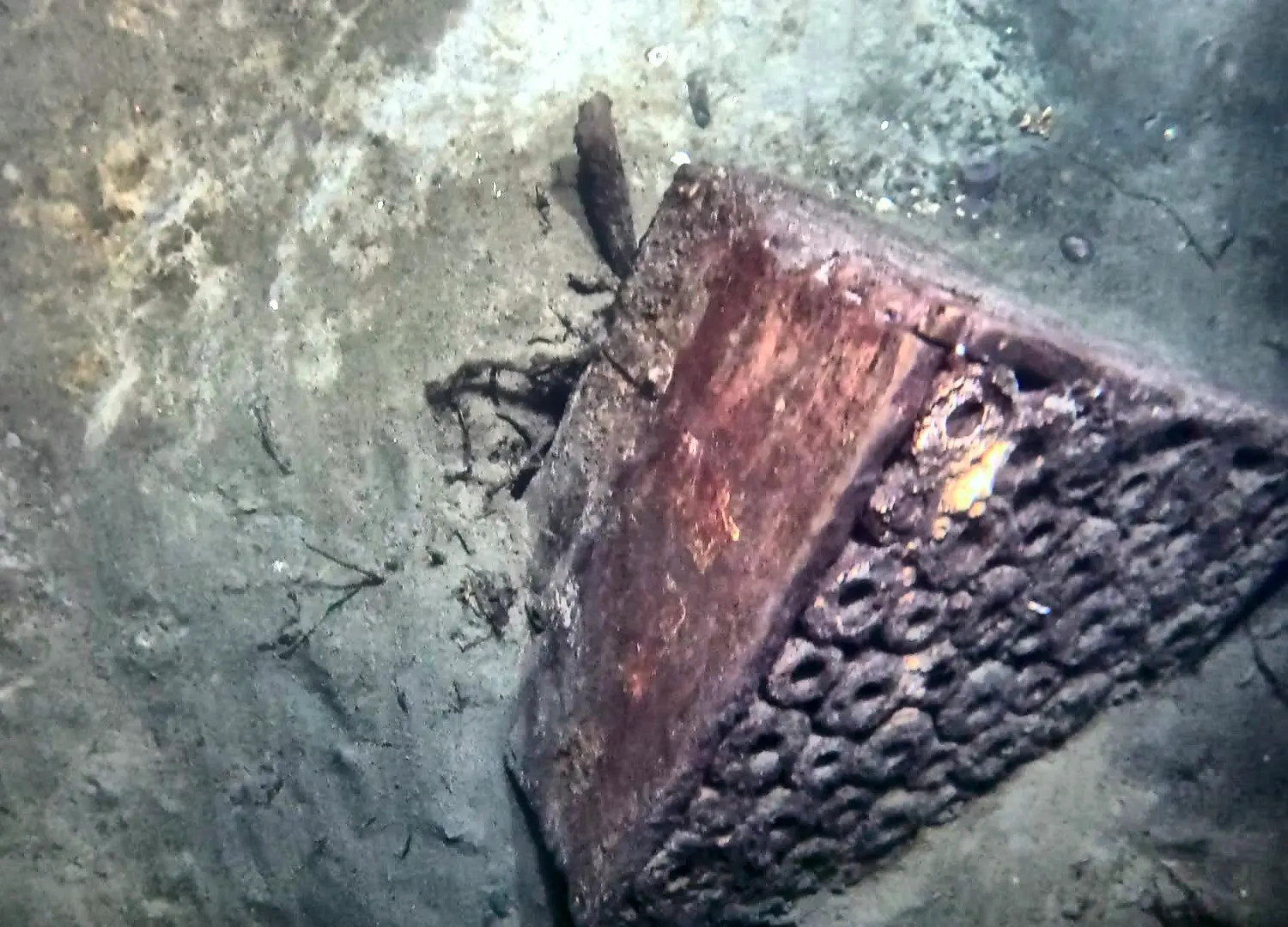
In September 2026, Cosma deployed several man-portable AUVs from RV Oceania, by day and by night, at approximately 95 m depth. The vehicles followed spiral trajectories around an acoustic positioning beacon. Three complementary sensors recorded simultaneously on every pass: cameras for high-resolution photogrammetry, a three-axis magnetometer to detect ferrous masses, including buried ones, and side-scan sonar.
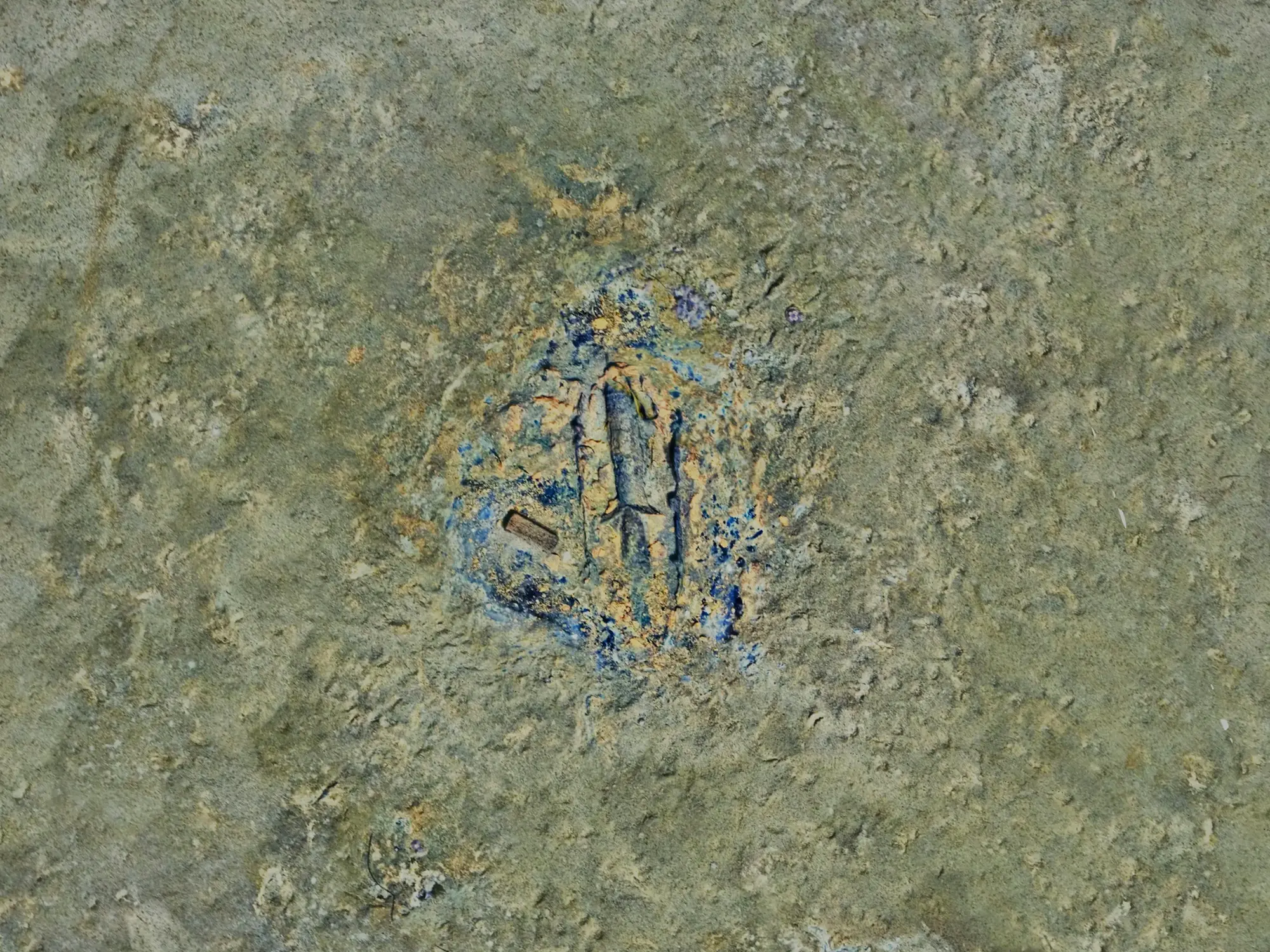
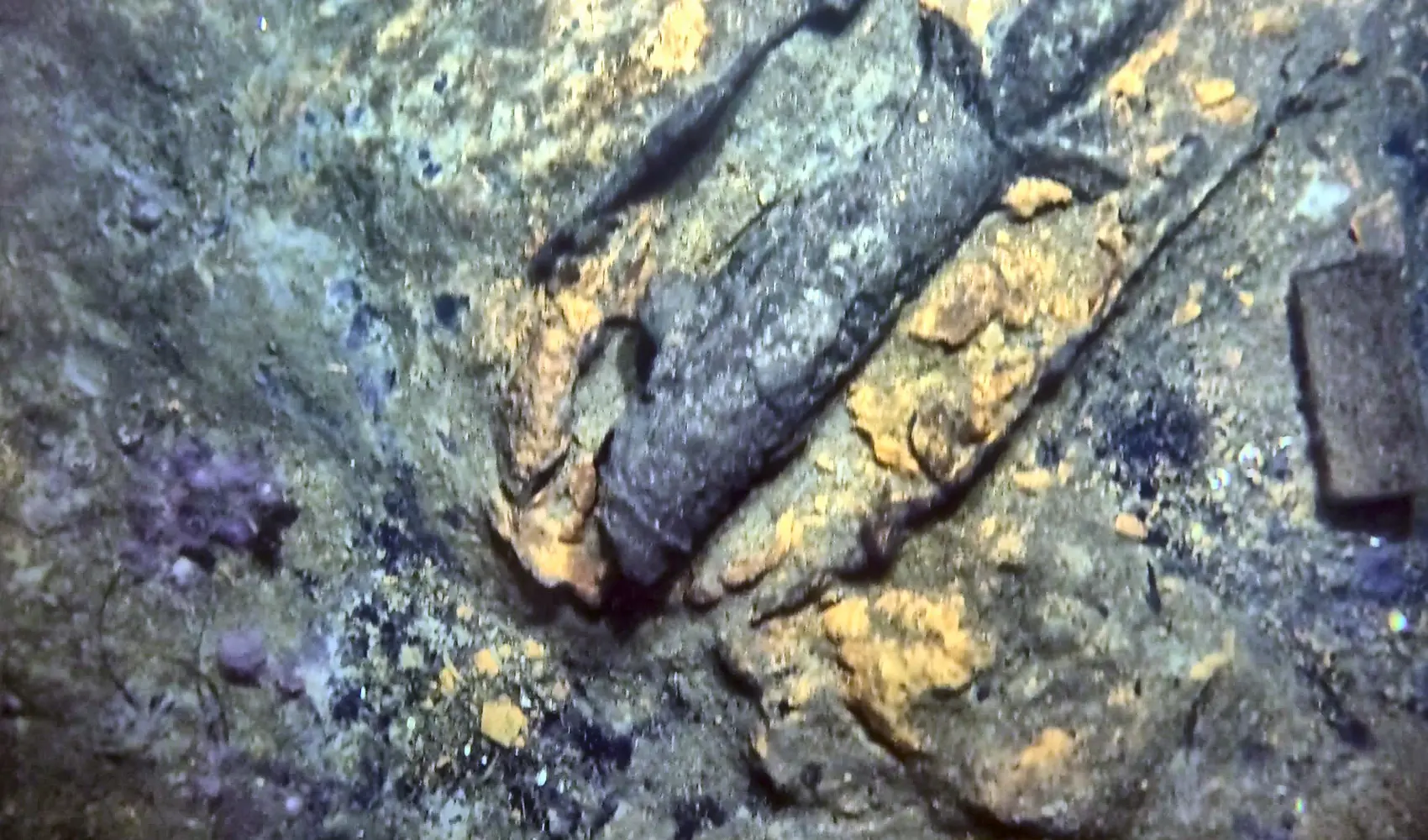
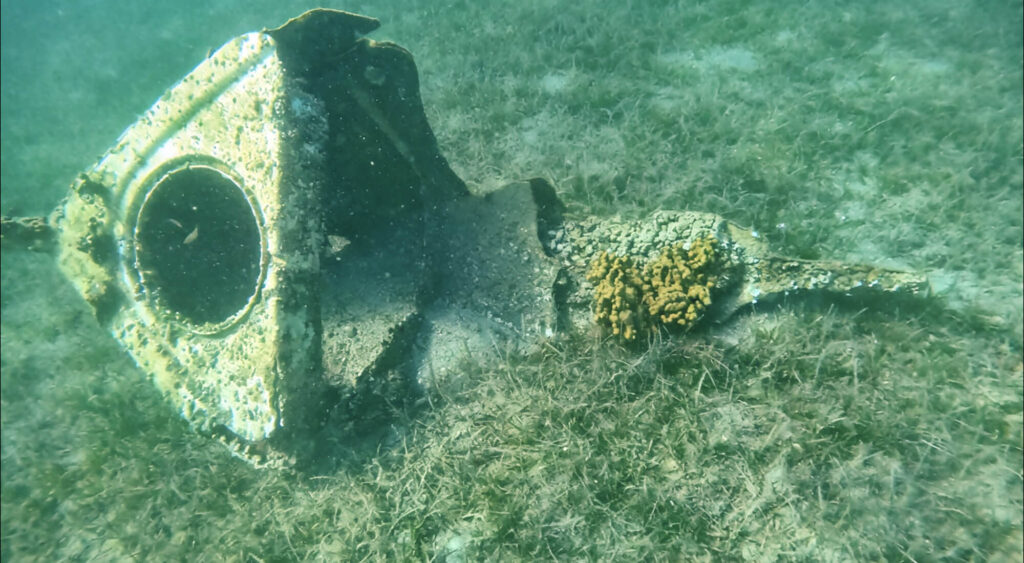
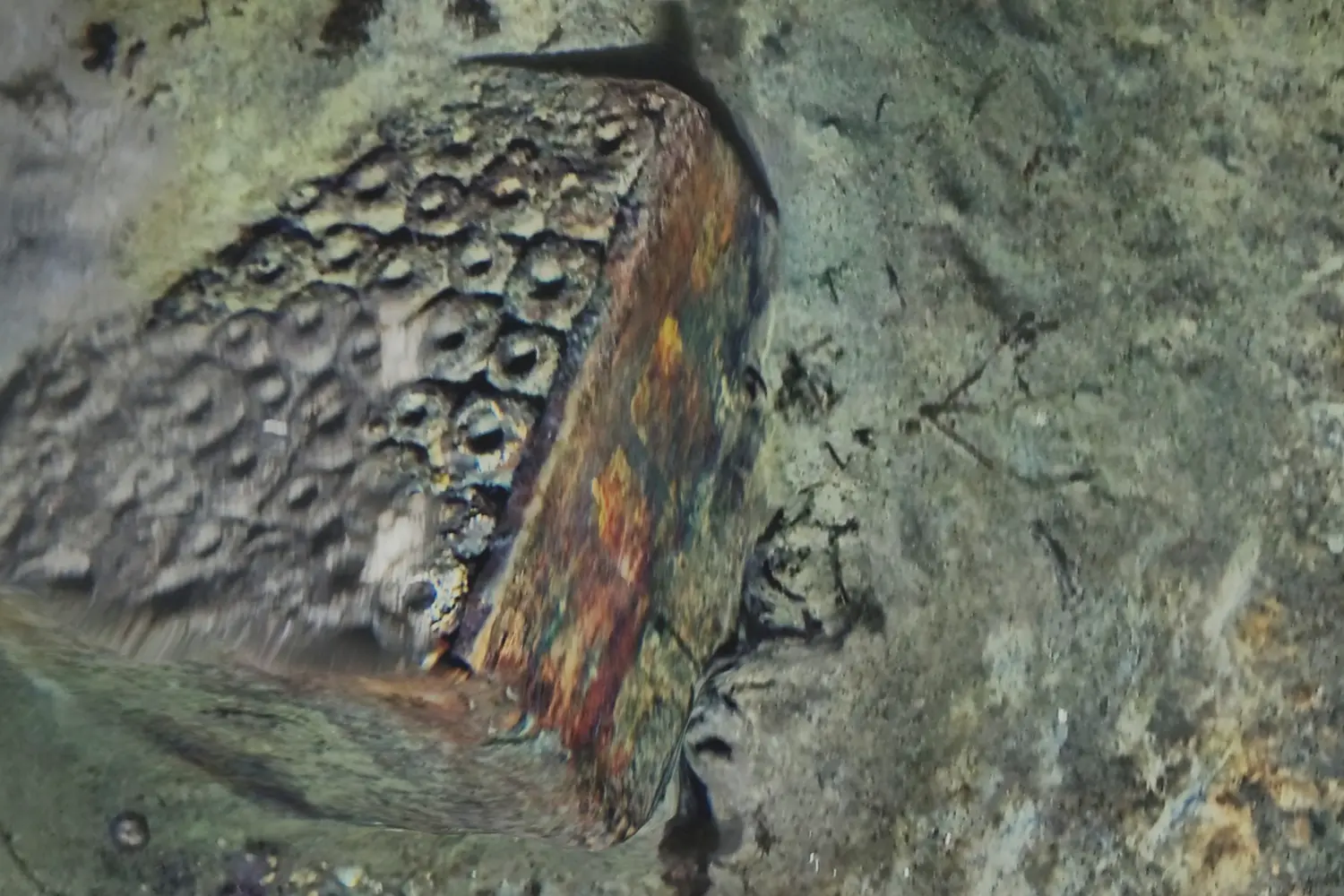
Open casing of a German KC 500 chemical bomb, where the solidified chemical agent appears in yellow on the high-resolution imagery.
The imagery was processed into millimetre-scale orthomosaics and 3D reconstructions, revealing a small-calibre ammunition box with rounds readable one by one and an open German KC 500 chemical bomb, its solidified chemical agent visible in yellow. In parallel, Cosma’s documented magnetic processing chain confirmed buried ferrous targets invisible to the cameras, estimating their burial depth and ferrous mass, while physically inconsistent anomalies were automatically rejected. Each target is documented by its magnetic signature, imagery, sonar contact and position, with a proposed classification. First results were available on the Cosma platform within 24 hours.
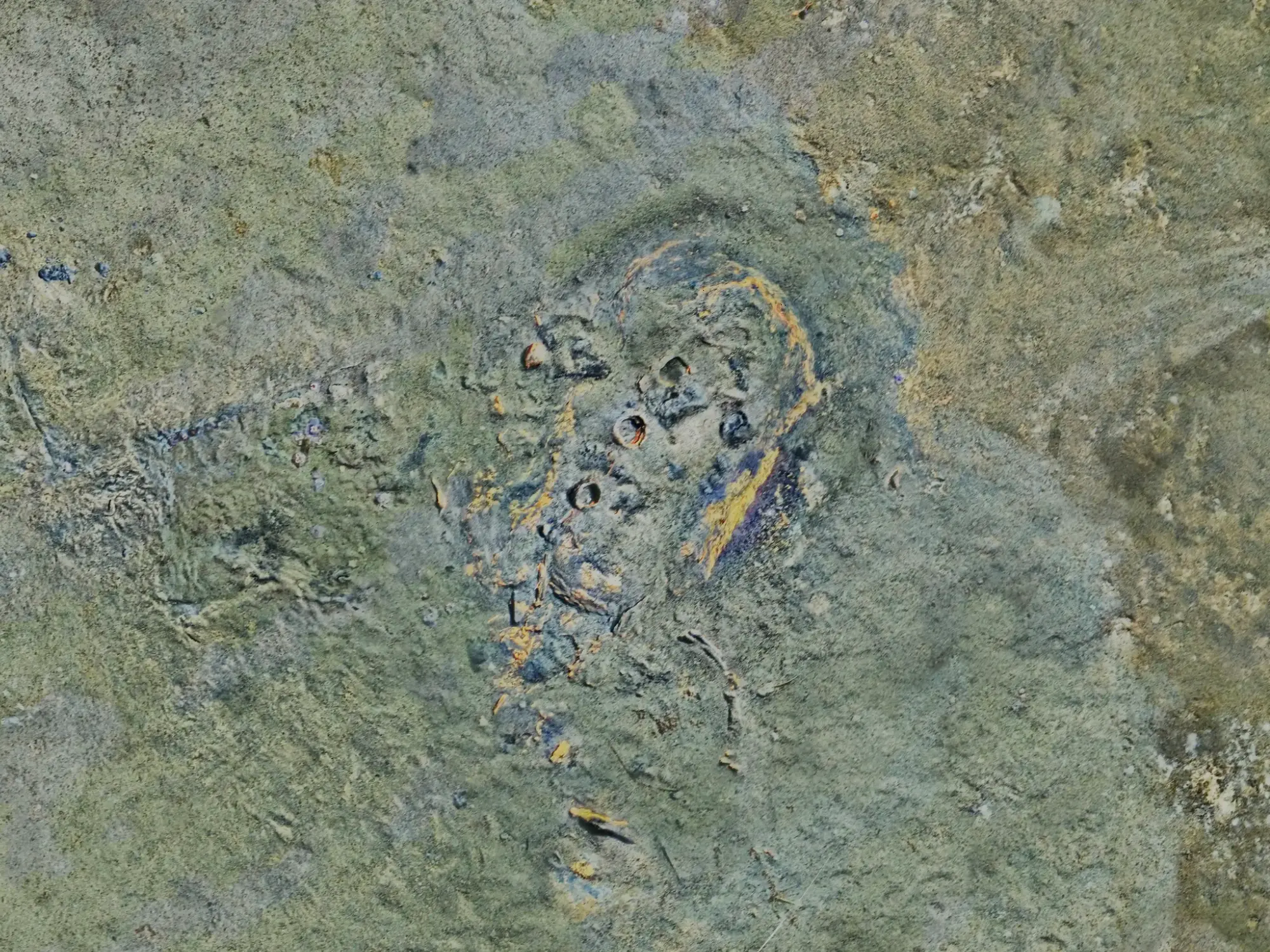
Millimetre-scale orthomosaic reconstructed from the AUV imagery, documenting the shape, dimensions and condition of the open bomb and its surroundings.
By combining detection and identification in the same operation, without a DP vessel or work-class ROV, this approach can rule out non-UXO targets earlier, provide traceable evidence for every decision and reach constrained areas such as landfalls, shallow waters, seagrass meadows and port areas. Explosive ordnance expertise, clearance and certification remain carried out by licensed contractors.
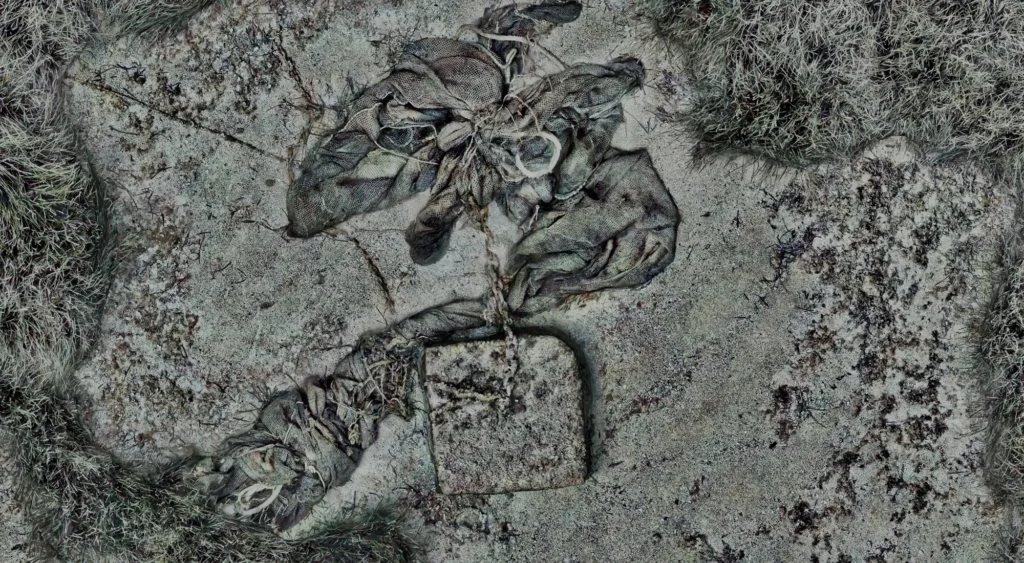
Georeferenced orthomosaic of the ammunition box with scale, enabling precise measurements without returning to the field.
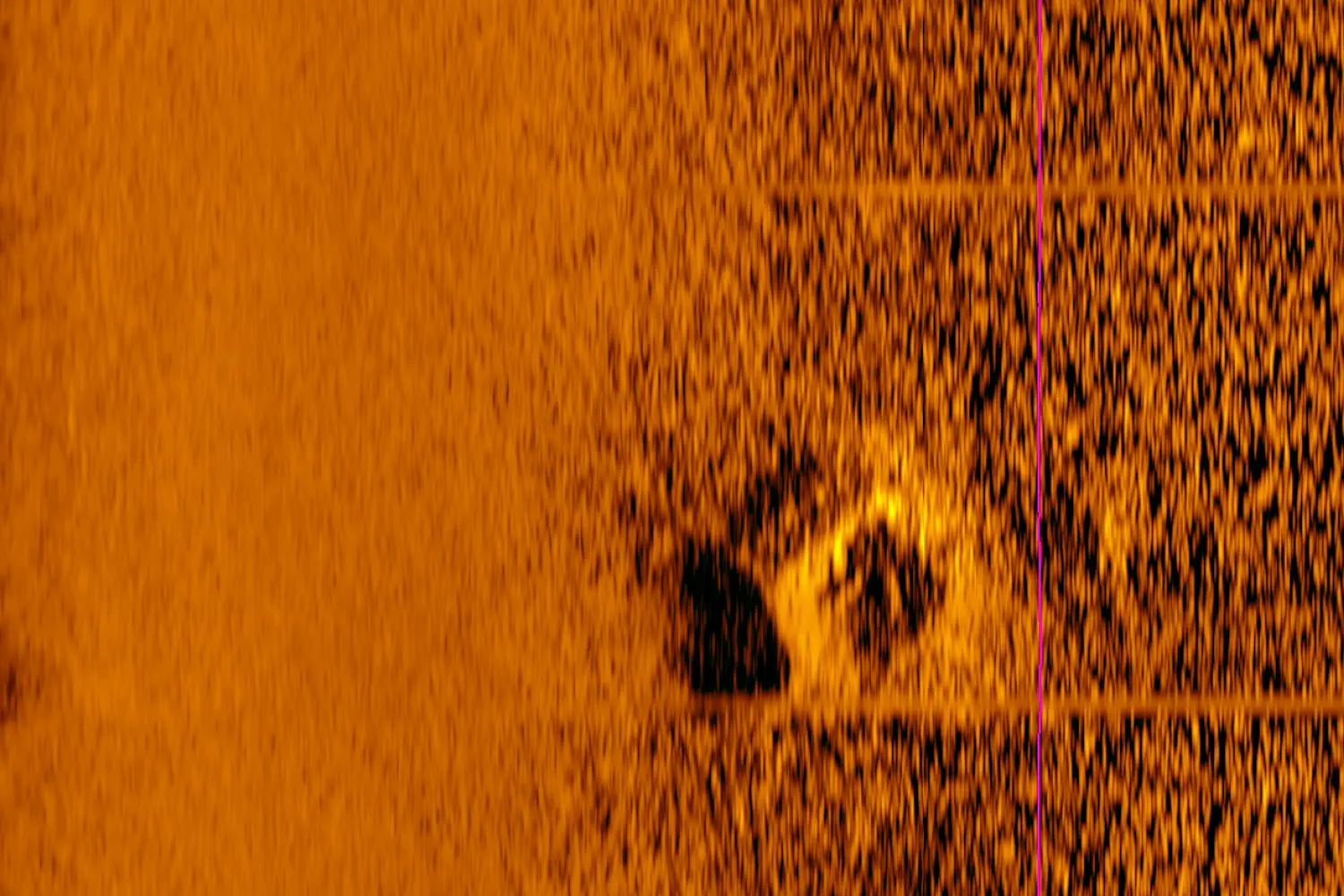
Side-scan sonar contact of the ammunition box, providing redundancy when objects lie outside the camera field of view or when visibility deteriorates.
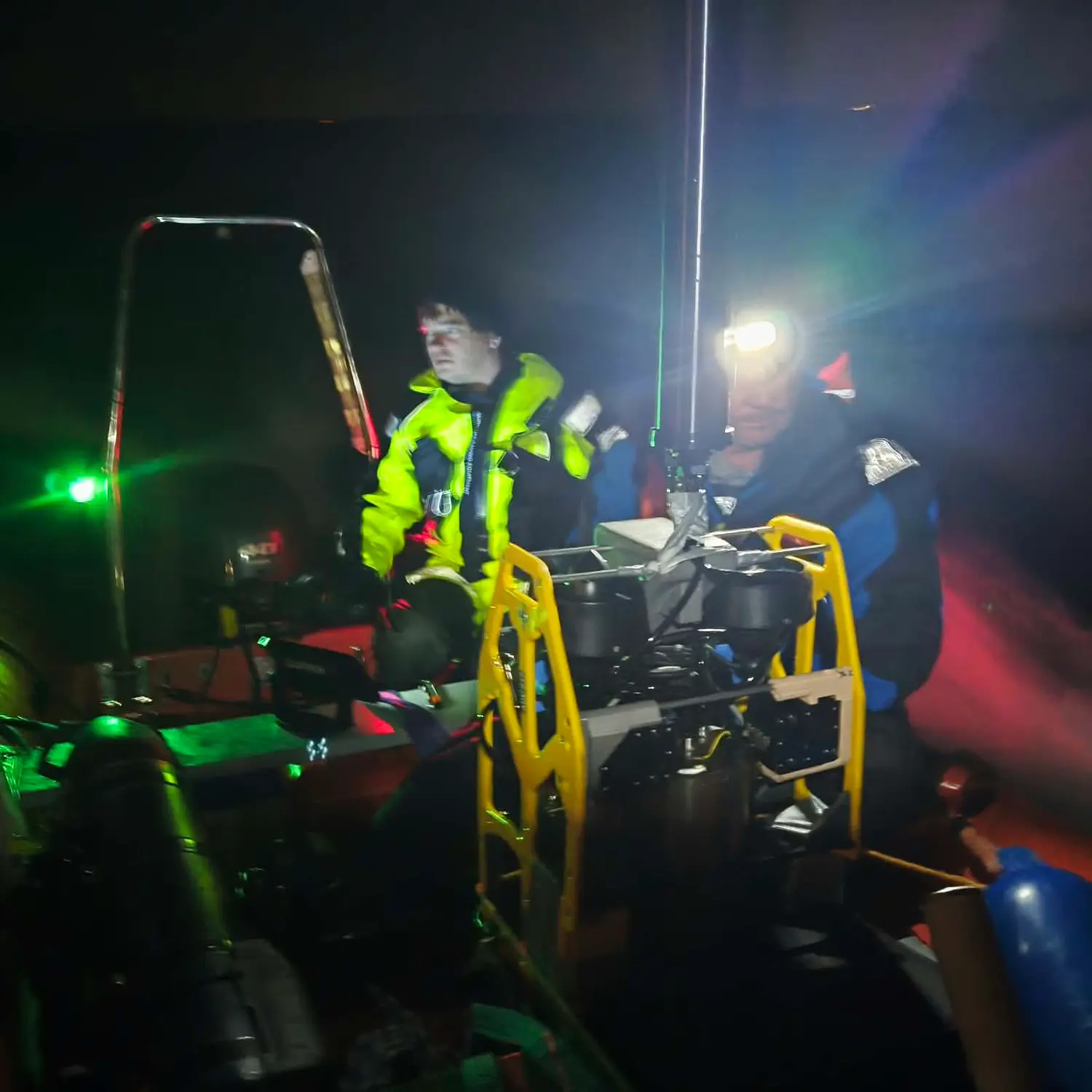
Deployment of Cosma’s man-portable AUVs from the tender, enabling operations by day and by night without a DP vessel or work-class ROV.
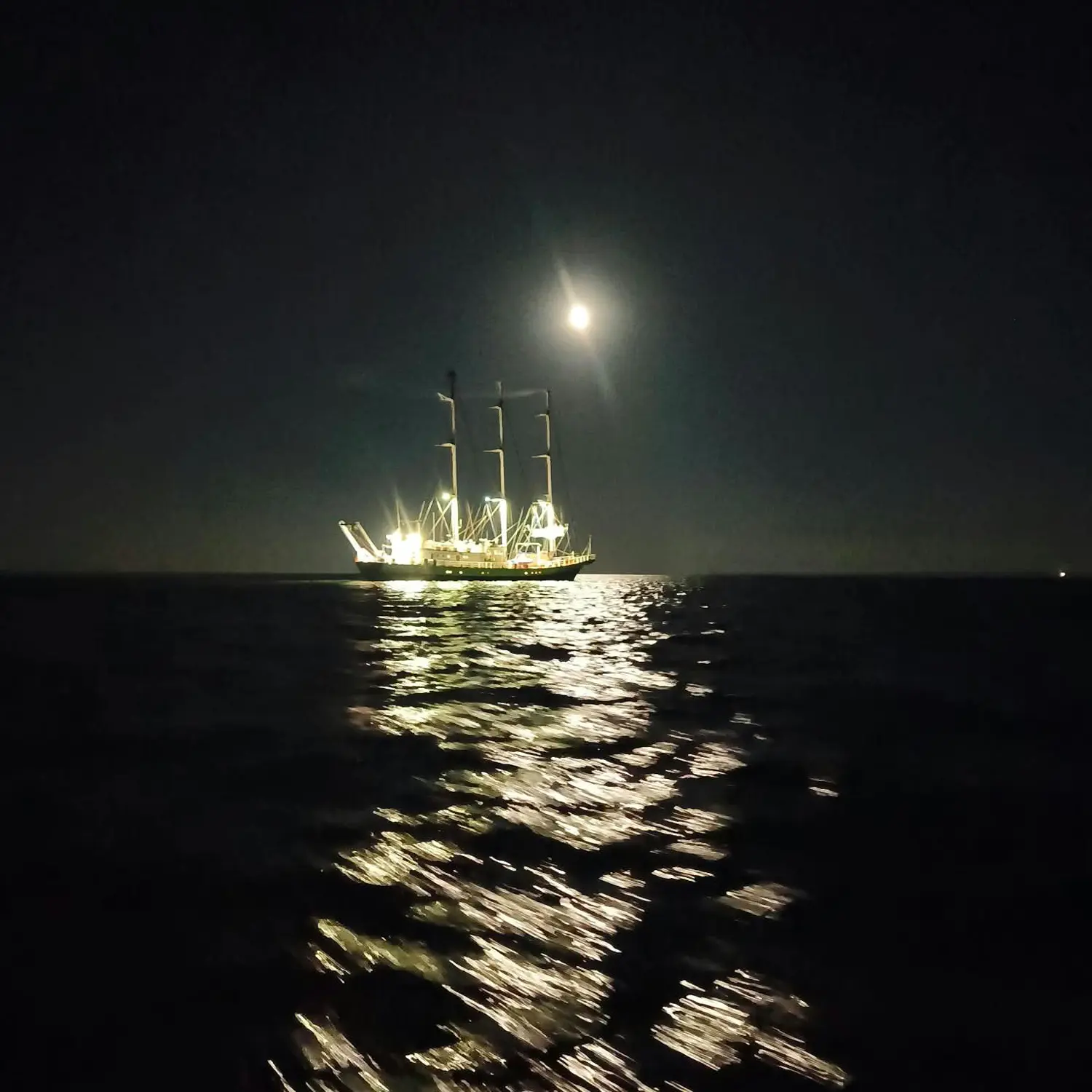
The MUNIMAP campaign was carried out from RV Oceania, the research vessel of the Institute of Oceanology of the Polish Academy of Sciences.
Location Bornholm Basin, Baltic Sea, with operations from Gdańsk, Poland.
Client Institute of Oceanology of the Polish Academy of Sciences (IOPAN), within the European Interreg MUNIMAP project, with the Military University of Technology.
Objective Demonstrate the detection, localisation and visual identification of dumped munitions in a single autonomous operation, combining photogrammetry, magnetometry and side-scan sonar.
Environment Deep munitions dumpsite at around 95 m depth, with soft sediment, partially buried and buried objects, conventional and chemical munitions, and day and night operations from a research vessel.
Highlight Detection and identification in a single operation: man-portable AUVs at 95 m depth combined cameras, magnetometer and side-scan sonar on every pass, revealing an ammunition box, an open KC 500 chemical bomb and buried ferrous targets, with first results delivered within 24 hours.